
Her story
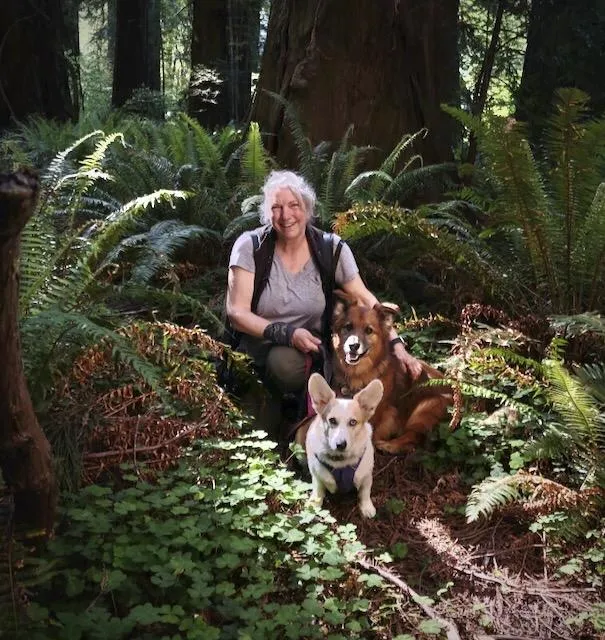
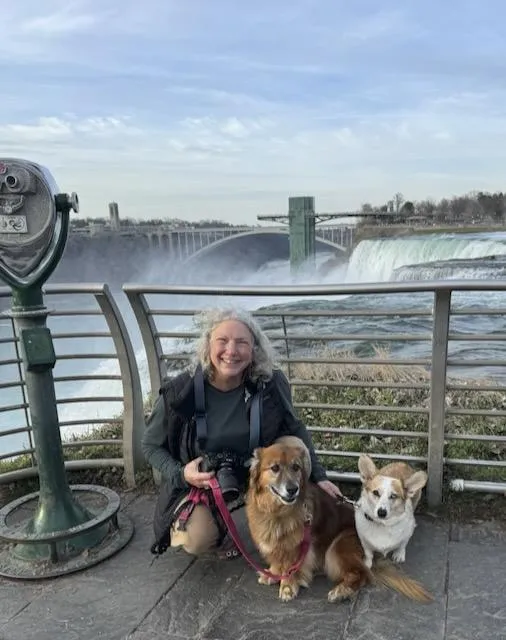
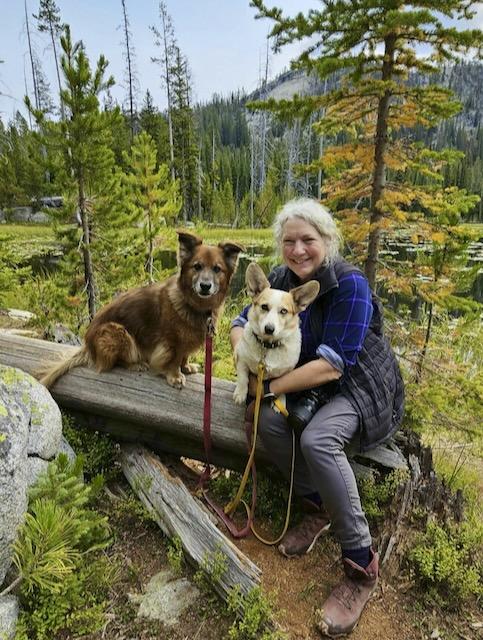
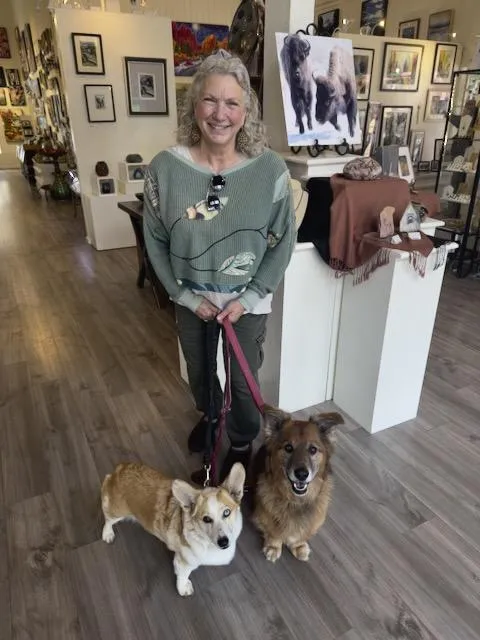
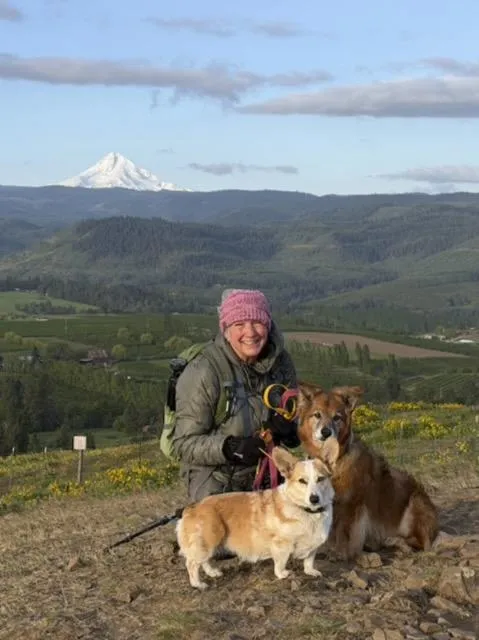
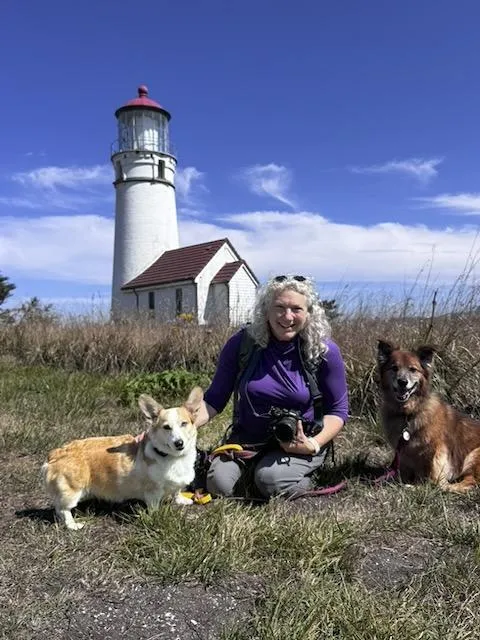
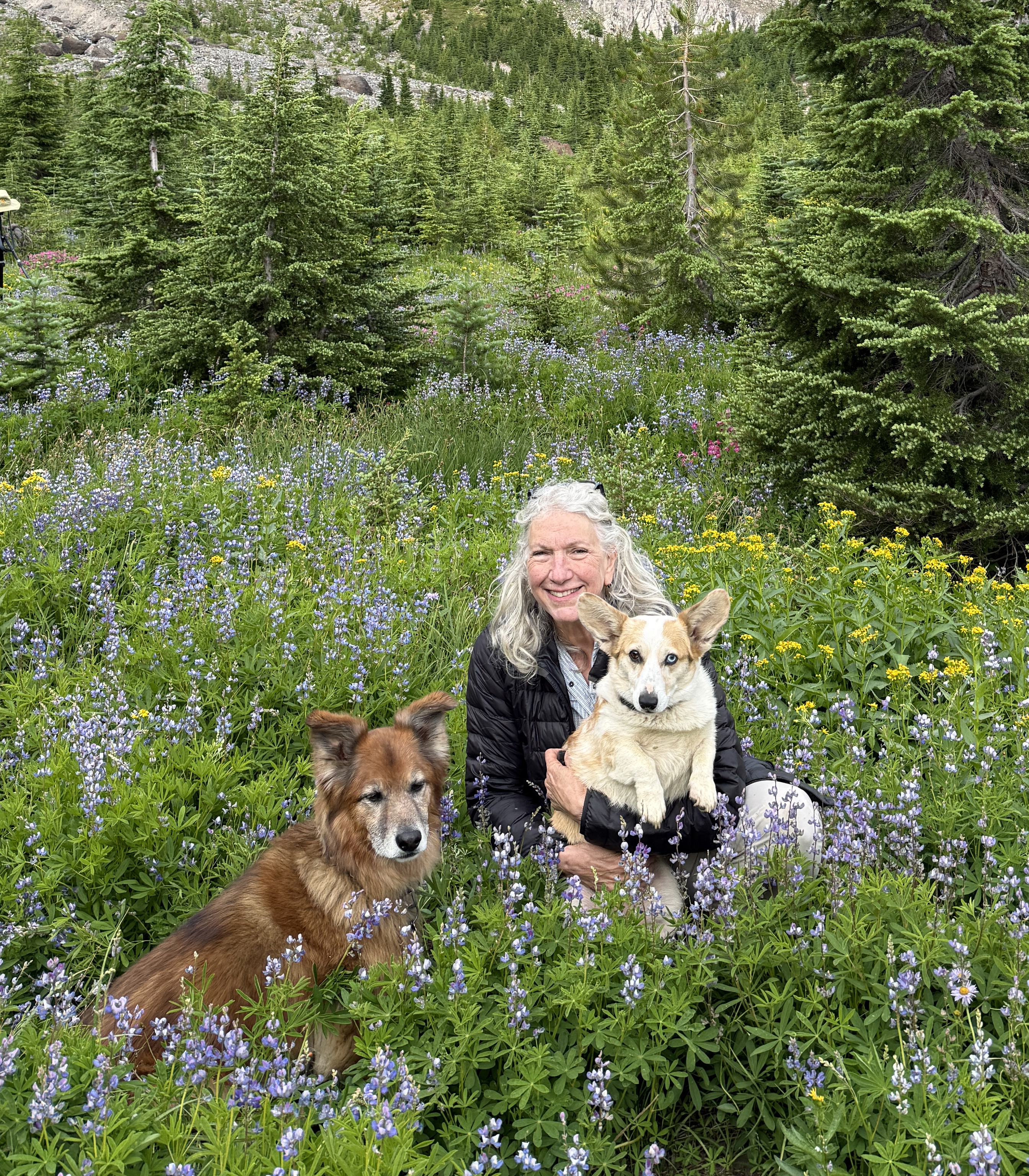
Meet Barb
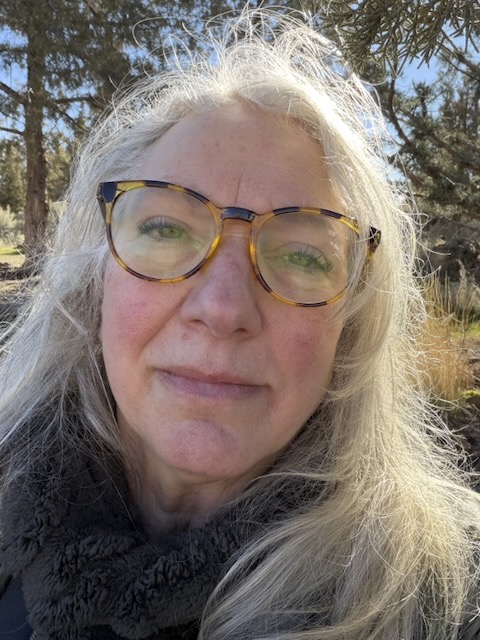
There's a moment Barb Gonzalez still remembers. She had just finished explaining satellite TV to a customer at the electronics store where she worked. As the woman walked to the register, she said the thing Barb had heard a hundred times: "Wow, you make this so simple."
This time something shifted. Barb thought, I should be doing this for more people than the ones who walk into the store.
She had always had a kind of radar for the moment technology stops making sense. She would dig until she truly understood something, then hand that understanding to someone else in plain language.
This was the dawn of digital photography, and she was so in demand that customers, including celebrities in Los Angeles, made appointments just to buy a camera from her, because she was the one who could explain it. That reputation led her to write The Home Electronics Survival Guide, and it was how the technology world first learned about her.
The calls came after that. Editors reached out when they couldn't make sense of new tech. The founder of Monster Cable hired her as the "Eyes of the Consumer." She wrote for NBC Universal, About.com, Digital Trends, Sears, and Disney.
She became the woman who speaks technology.
She had loved photography since high school. When her husband was sick, and after he passed, her camera became a lifeline. It was how she breathed, noticed, and found something worth keeping in a hard season.
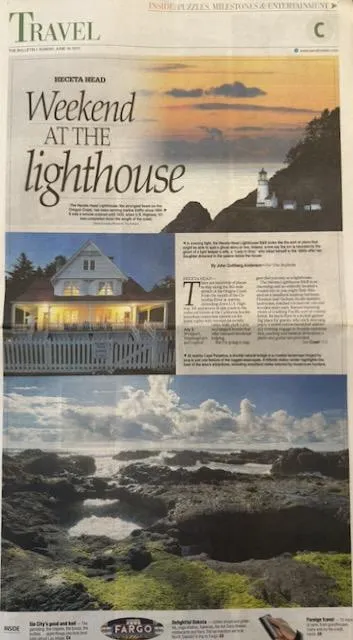
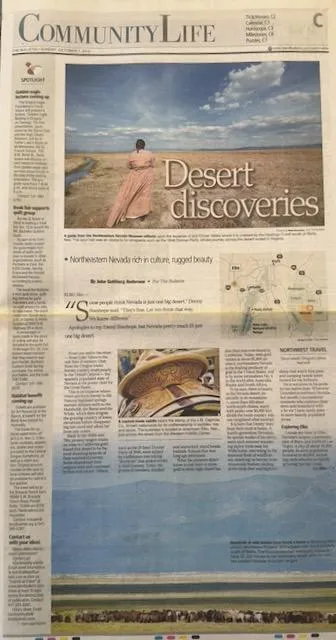
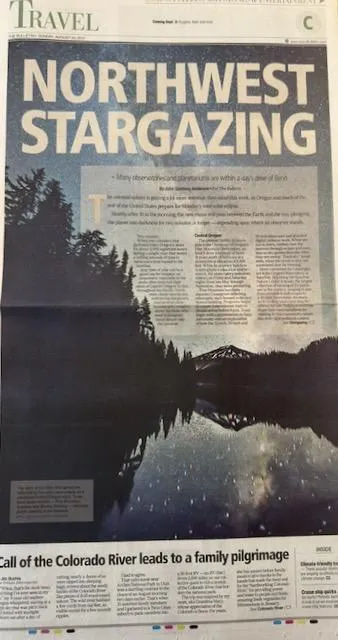
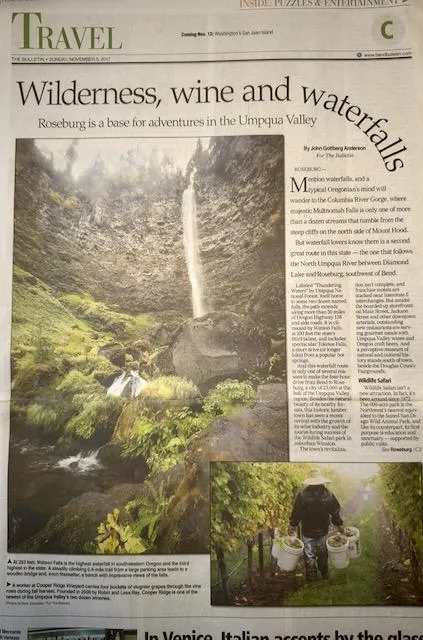
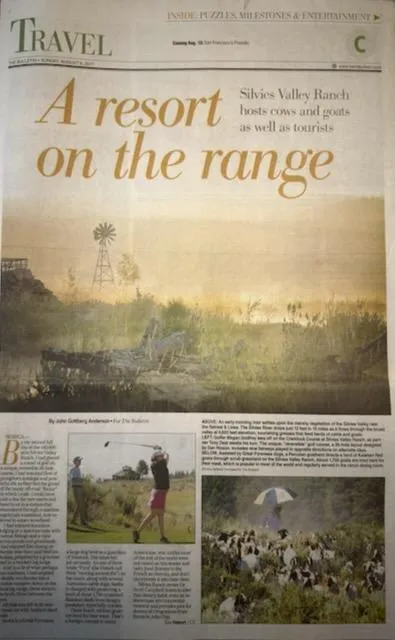
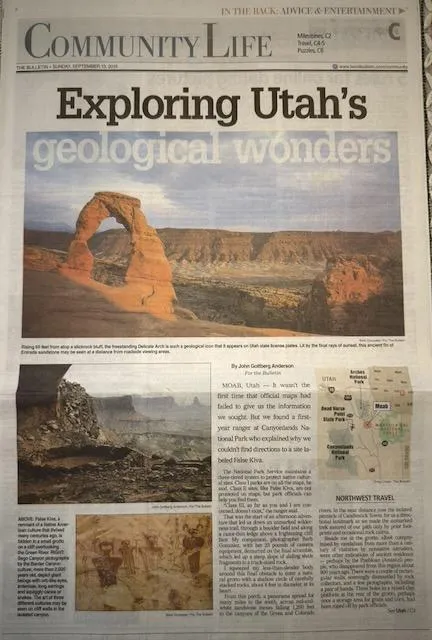
Later she moved to Bend, Oregon to join the man she was dating, who became her partner. He was a travel writer, and her photos began covering the front page of the Bend Bulletin lifestyle section.
While she lugged around heavy DSLRs, she watched the iPhone camera get better every year. She made sure she was in the first group to order each new model, as she wrote about them.
When Apple added the RAW format and became a "48 megapixel camera," something clicked. The iPhone camera was extraordinary. It was also confusing. Apple kept announcing features in words that assumed you already knew what they meant, and settings were buried so deep most people never found them.
Barb knew that gap. She had lived in it her whole life.
She translates the camera in your pocket.
She built Learn Better Photography to close it. Her ebooks meet you where you are and show you the next step, instead of throwing everything at you at once.
What she wants for you is simple: that moment when you look at a photo you took with the phone in your pocket and it captures not just what you saw, but how you felt. That's the feeling she wants to share.
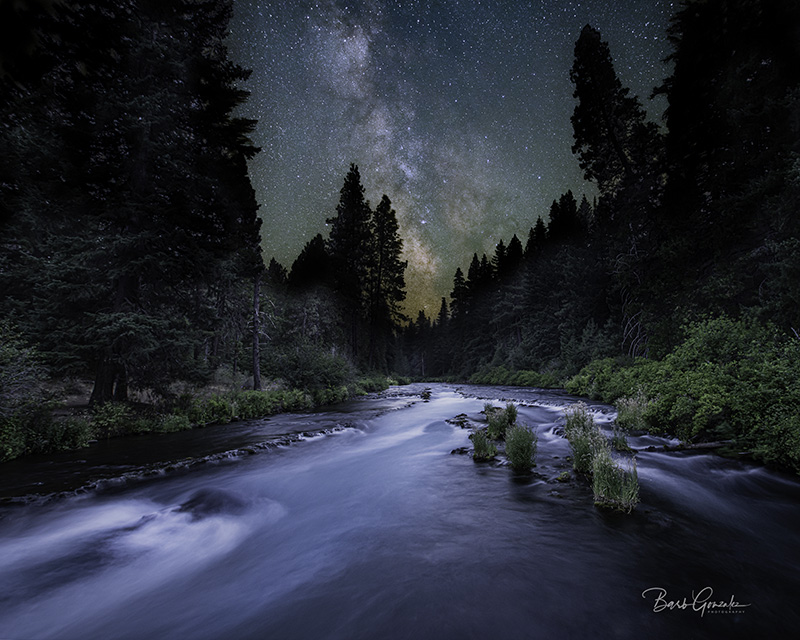
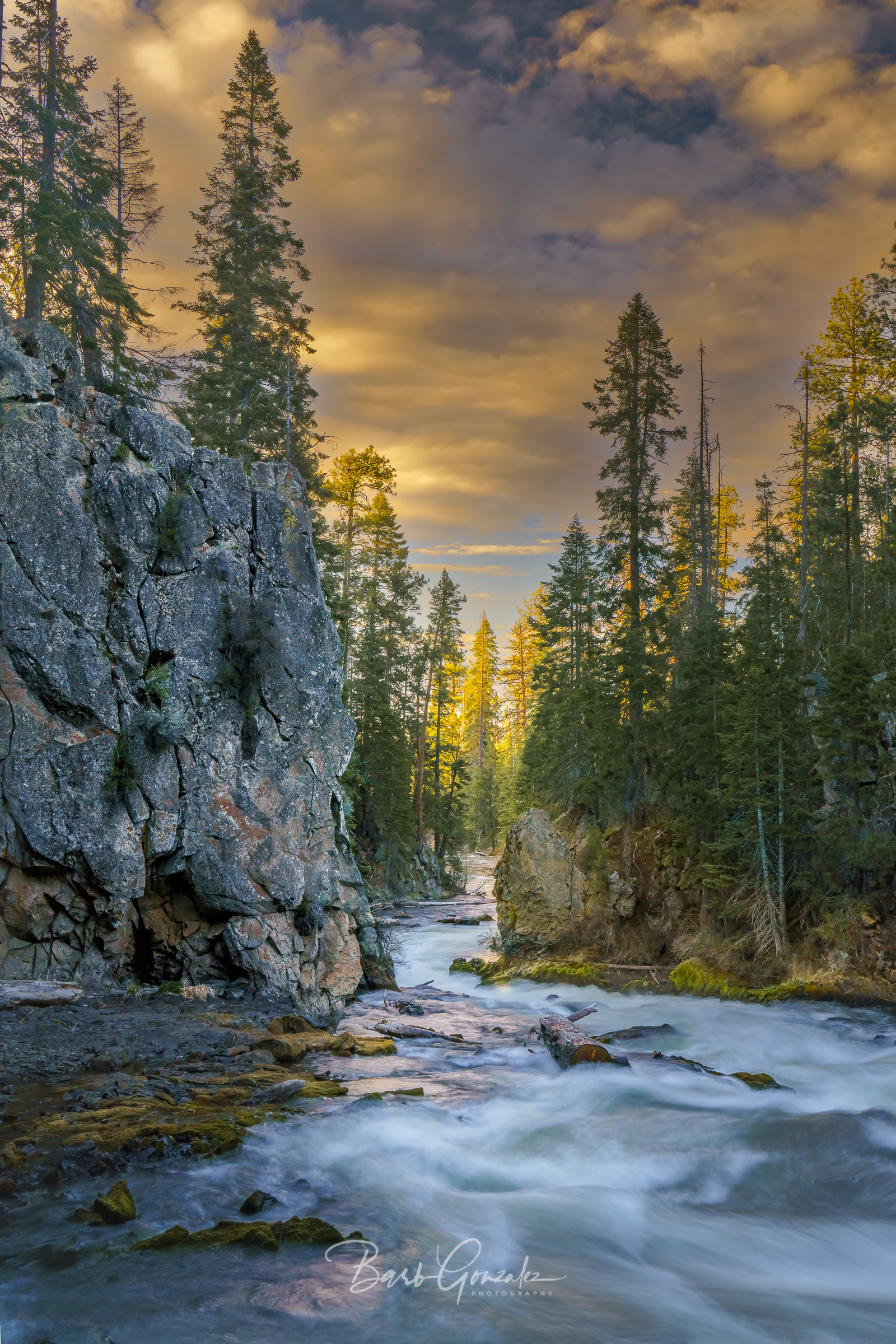


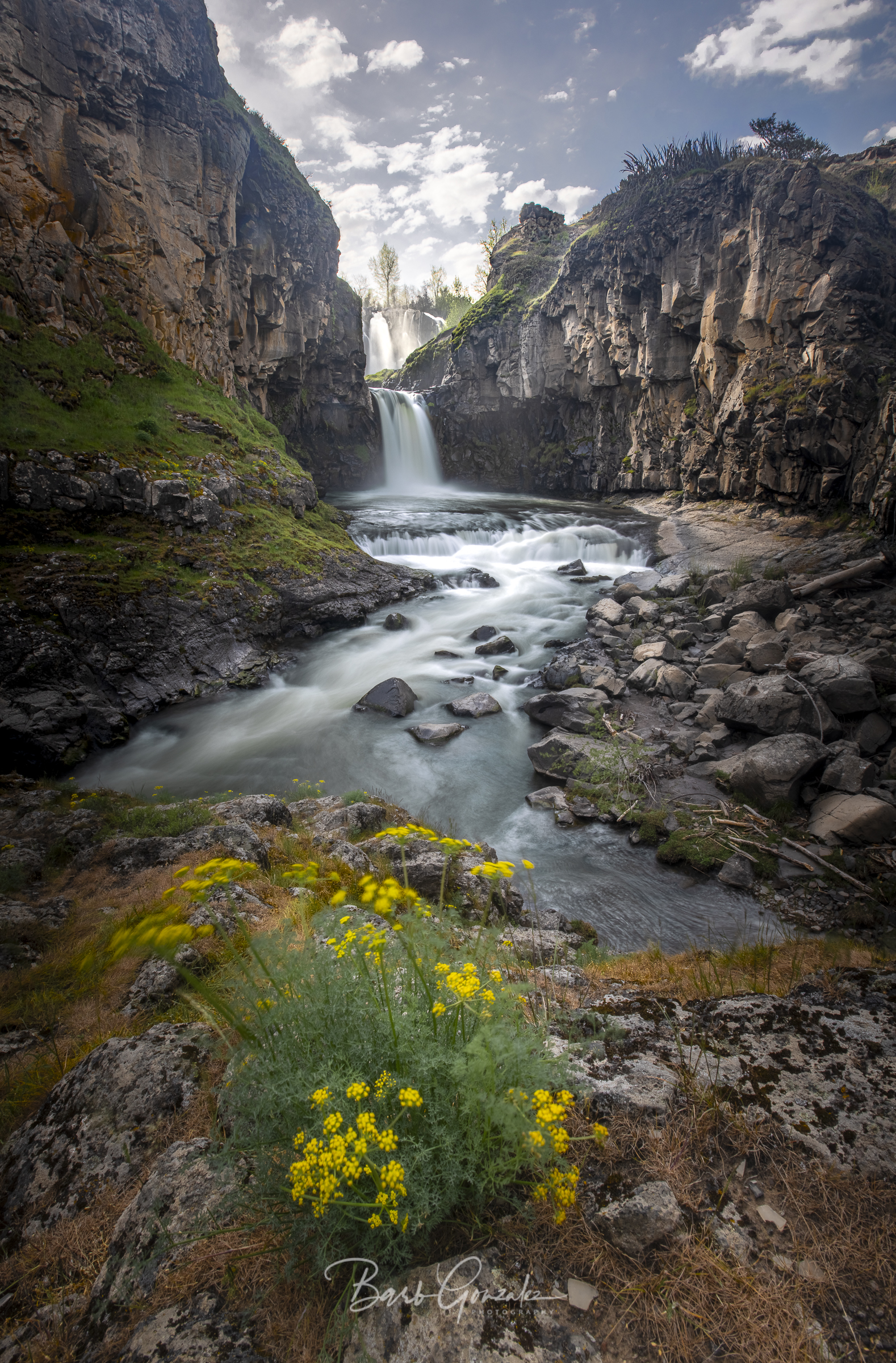
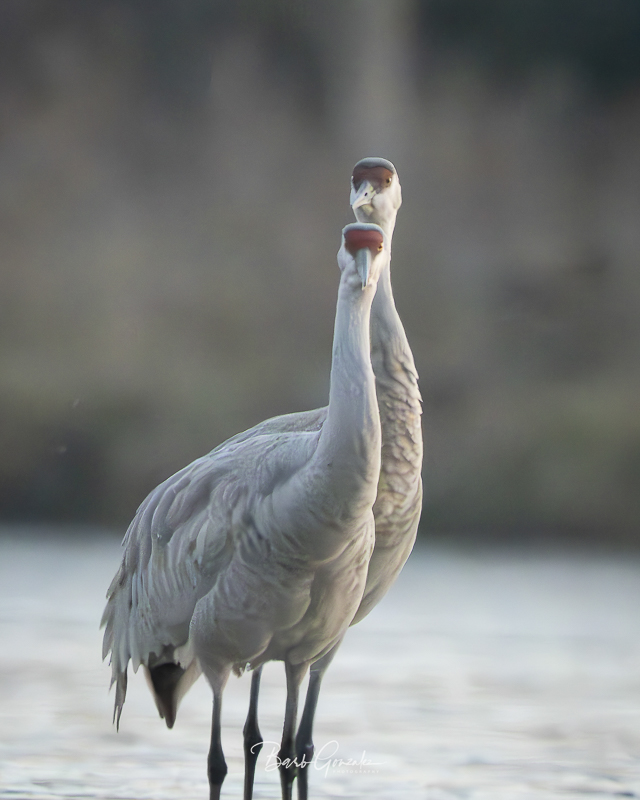
Twelve years on the cover of the Bend Bulletin Travel and Lifestyle sections